


Absolutely essential! The three key steps to successfully deploying collaborative robots
2022-03-18
Collaborative robots—commonly referred to as cobots—are robotic devices designed to physically interact with humans in the workspace. Traditional industrial robots, by contrast, require safety guards and other protective equipment when operating to ensure human safety.
Collaborative robots are becoming increasingly popular in both traditional and non-traditional fields, and they may present a range of unique challenges. Although the use of collaborative robots may seem very similar to that of traditional robots, the initial implementation phase will determine the system’s ultimate success. Successful deployment of collaborative robots requires consideration of three key factors: training, evaluation, and design.
Collaborative Robot Training
For any new technology, the first step is always training. How does this device work? What are its functions and limitations? And how will it affect our understanding of safety?
The unique position of collaborative robots in the robotics field stems from their design, which incorporates force-sensing technology. When the robot detects an external force exceeding a predefined threshold, it immediately stops operating, thereby preventing potential injuries to personnel. During robot movement, both the allowable speed and torque are also limited to eliminate unsafe contact with operating personnel. Many collaborative robots allow these parameters to be programmed and controlled, enabling users to adjust the limit levels according to system requirements. This means that personnel implementing this technology must undergo appropriate safety training related to automated systems and collaborative robots.
For traditional robots, many safety strategies revolve around keeping robots and humans physically separated—for example, by using barriers that restrict human access to robot operating areas. In workspaces where robots and humans share the same space, monitoring devices such as light curtains and floor scanners are commonly employed. Standards specify the minimum distances that must be maintained between robots and humans in different scenarios.
One of the key implementation steps is to establish a safety standard. This requires a shift in safety approaches when humans and robots collaborate. Guidance documents are continually evolving, so it’s crucial to stay abreast of the latest industry standards and best practices. These regulations include ANSI/RIA R15.06-2012, which addresses general robotic system safety, as well as RIA R15.806-2016, which provides more specific guidance for collaborative robotics technology. Technical Report RIA TR15.806-2018 offers additional guidance on the tests that may be required when designing collaborative workspaces. Technical Report RIA TR15.806-2018 provides supplementary guidance on the tests that may be necessary when designing collaborative work areas.
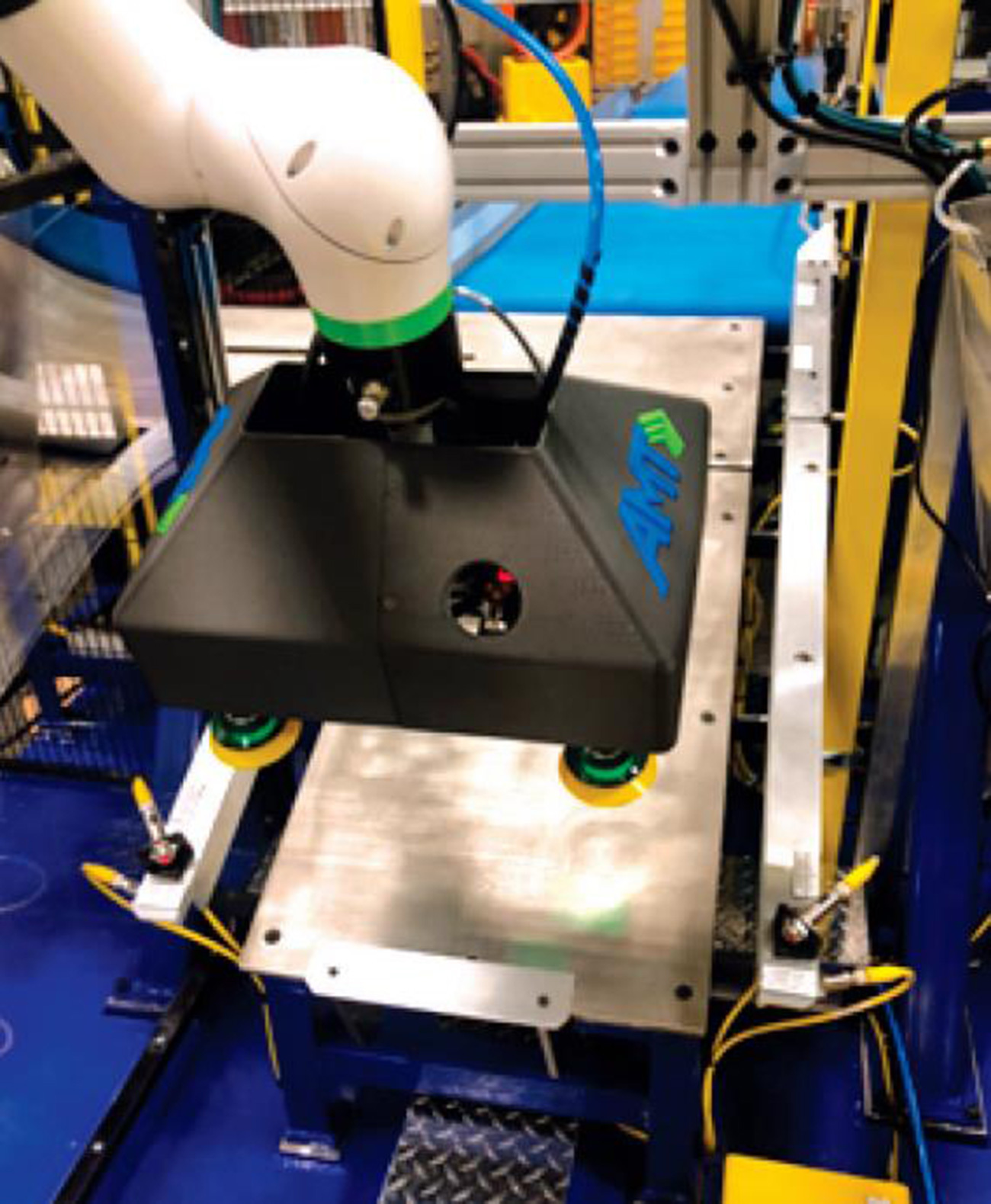
The collaborative robot’s unique position in the robotics field stems from its design, which incorporates force-sensing technology internally. Image source for this article: Applied Manufacturing Technologies
System Security Assessment
One of the most common misconceptions about collaborative robots is that using this type of equipment inherently makes the system safe for humans. In real-world applications, the power and force limitation features apply only to the robot itself. They do not take into account any other potential hazards—such as additional components mounted on the main robot body, including end-of-arm tooling (EOAT).
The second key factor in implementing collaborative technologies is the proper assessment of system security. A security risk assessment involves a task-based review of potential hazards within the system. Hazards are rated according to characteristics such as severity and frequency of occurrence, after which the system’s ability to mitigate these risks through design is examined. This ongoing process should begin during the system’s pre-design phase and continue throughout the construction phase. Adhering to this iterative approach ensures that safety considerations are addressed during the design stage, rather than being added only after the fact.
A key aspect of this stage is to consider which tasks should be handled by automation. As a general rule of thumb, humans should focus on the tasks they do best—typically those involving critical decision-making, high dexterity and perception, technical expertise, and non-routine operations. Robots are best suited to take over repetitive and routine workloads. While programming can incorporate decision-making processes, this approach becomes an effective trade-off when the range of possible decision outcomes is limited. With collaborative robots, the decision on task allocation expands to also take into account the implications for risk assessment.
The evaluation phase will rely on an understanding of collaborative devices and standards. Task allocation will be influenced by the capabilities of the robot. Power and force-limiting devices control forces by restricting payload capacity and speed. For example, a robotic manufacturer’s collaborative robot models have maximum payload capacities ranging from 4 kilograms to 35 kilograms. Compared to industrial robots, these are considered lightweight—industrial robots can handle payloads exceeding 2,000 kilograms. In comparison with conventional robot models, arm speeds are significantly limited, which may impact cycle-time targets. Each collaborative robot task must undergo a feasibility assessment based on these parameters.
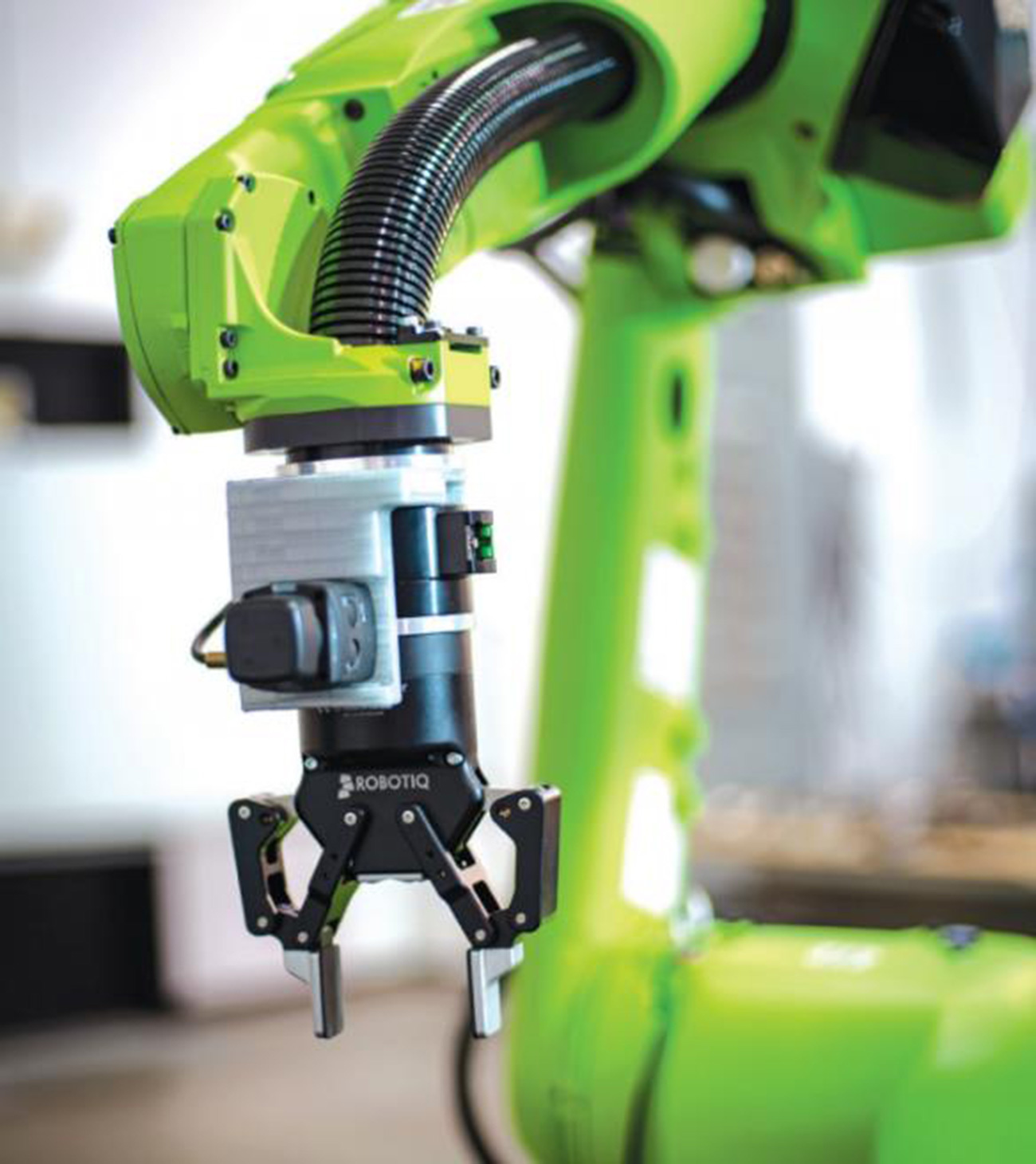
The evaluation phase will rely on an understanding of collaborative devices and standards. Task allocation will be influenced by the capabilities of the robots.
Design of Collaborative Robots
The third critical step in implementing collaborative robots is design. From the perspective of the collaborative workspace, we must incorporate human-contact analysis into the design concept. Even when using cobots, the issue isn't solely about the robot itself. All tools and equipment need to be considered in conjunction with risk assessments. Tasks must be reviewed for potential hazards from pinch points and impact contacts, as humans may come into close proximity with the equipment.
In safety standards, certain regulations specify the acceptable levels of force for hazards involving different parts of the human body. For example, the considerations for contact with the legs differ from those for contact with the eyes. The flexibility in programming and setting up collaborative robots makes it essential to understand these regulations—and how to test against them—to ensure that appropriate safeguards are in place to protect operators. Tools such as simulation can help identify potential hazards and design effective solutions.
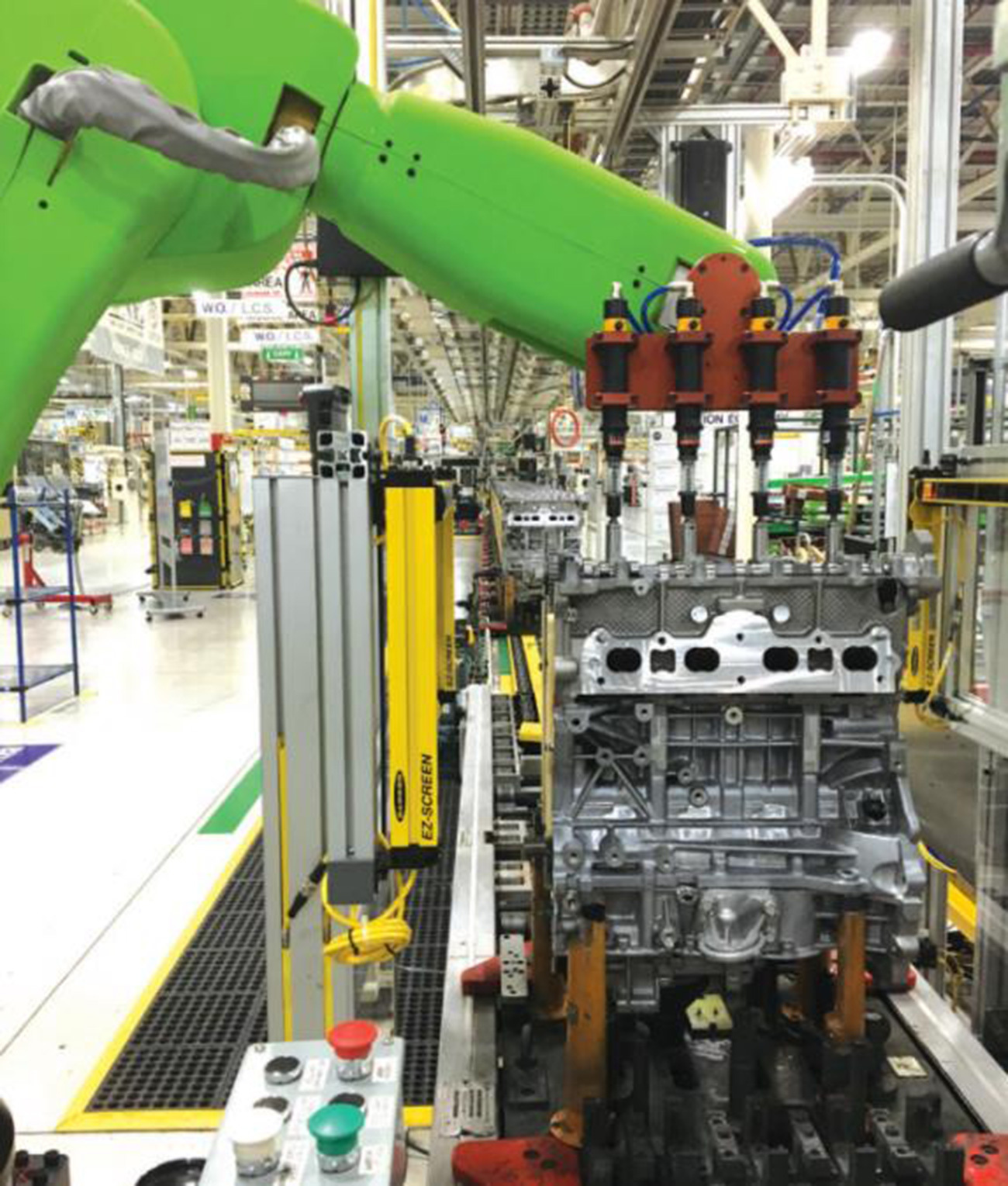
Most collaborative robot devices feature a circular profile to increase the contact surface area and reduce the force exerted upon impact.
Most collaborative robot devices feature a rounded profile to increase surface area and reduce force during contact. Similar thoughtful designs should also be applied to other tools and equipment that form part of the workspace. This might include using specialized covers to prevent unnecessary contact and avoid hazards to nearby workers. When maintenance is required, these covers can be removed for easy inspection and repair.
Sometimes, due to process-related factors, certain tasks may pose intractable hazards. For example, the force required to secure a part onto an assembly might exceed the specified limits. Another option is to use auxiliary equipment during operation to restrict personnel from entering the controlled space. This could involve components such as light curtains that monitor whether anyone has entered the area surrounding the equipment. System design should provide safety controls during hazardous task execution and enable collaboration between humans and robots.
Robots are opening up unique opportunities for manufacturing and automation companies. However, a lack of understanding about how to leverage collaborative technologies often makes the process more challenging. Treating cobots just like conventional robots will limit the value they can deliver. Neglecting the safety considerations required for collaborative workspaces will introduce unnecessary challenges during the implementation phase. The key to realizing their full potential lies in factoring collaborative technologies into the design of the workspace from the very beginning.
(Author: Kelly Chalmers, Applied Manufacturing Technologies)
Source: Control Engineering Network
Any information sourced from other media outlets is reprinted from those sources and does not necessarily reflect the views of this website. The purpose of reprinting this article is to provide additional information. If there are any errors in the source attribution or if your legitimate rights and interests have been infringed upon, please contact us, and we will promptly correct or remove the content. Thank you.
Previous:


Contact Us
Address : No. 18 Xiangtai Road, Liuyang Economic and Technological Development Zone, Building A5, Changsha E Center.China
Phone : +86-400-002-1378
Email : business@chnsnm.com
Sales : +86-173-7371-3251 (Mr. Zeng)

Here is placeholder text for Heading 1 h1.
Service Hotline
Address: Building A5, Changsha E Center, No. 18 Xiangtai Road, Liuyang Economic and Technological Development Zone.China